[Marketing] Generalized Bass Model: Diffusion Prediction Considering Marketing MixJan. 4, 2024
Explains the Generalized Bass Model (GBM), incorporating advertising and price cuts into new product diffusion forecasting, with Python simulations.
Explains the Generalized Bass Model (GBM), incorporating advertising and price cuts into new product diffusion forecasting, with Python simulations.
Explains the Gumbel distribution, a core concept in extreme value statistics, with Python-based parameter estimation, visualization, and the Gumbel-Max Trick.
Explains the theoretical background of the Bass Diffusion Model for predicting new product adoption, with Python simulations and fitting to sample data.
Compares the Bass Model for new product diffusion with the SIR model for infectious disease spread, explaining their mathematical similarities and differences.
Explains association analysis with Apriori and FP-Growth via mlxtend, covering support, confidence, and lift metrics, applied to a Kaggle grocery dataset.
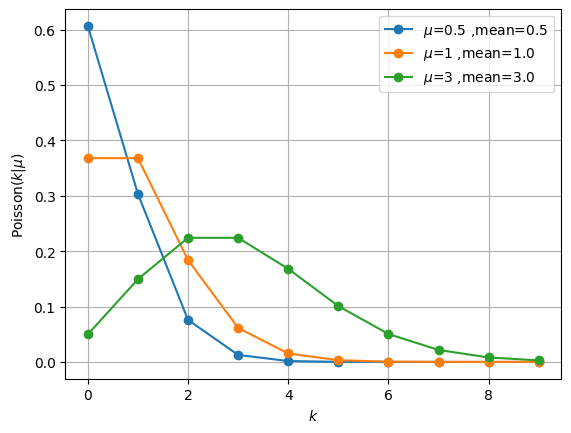
Introduces RFM analysis and demonstrates generating dummy purchase data with Faker and Poisson/Gamma distributions, stored in SQLite via Python's sqlite3 module.
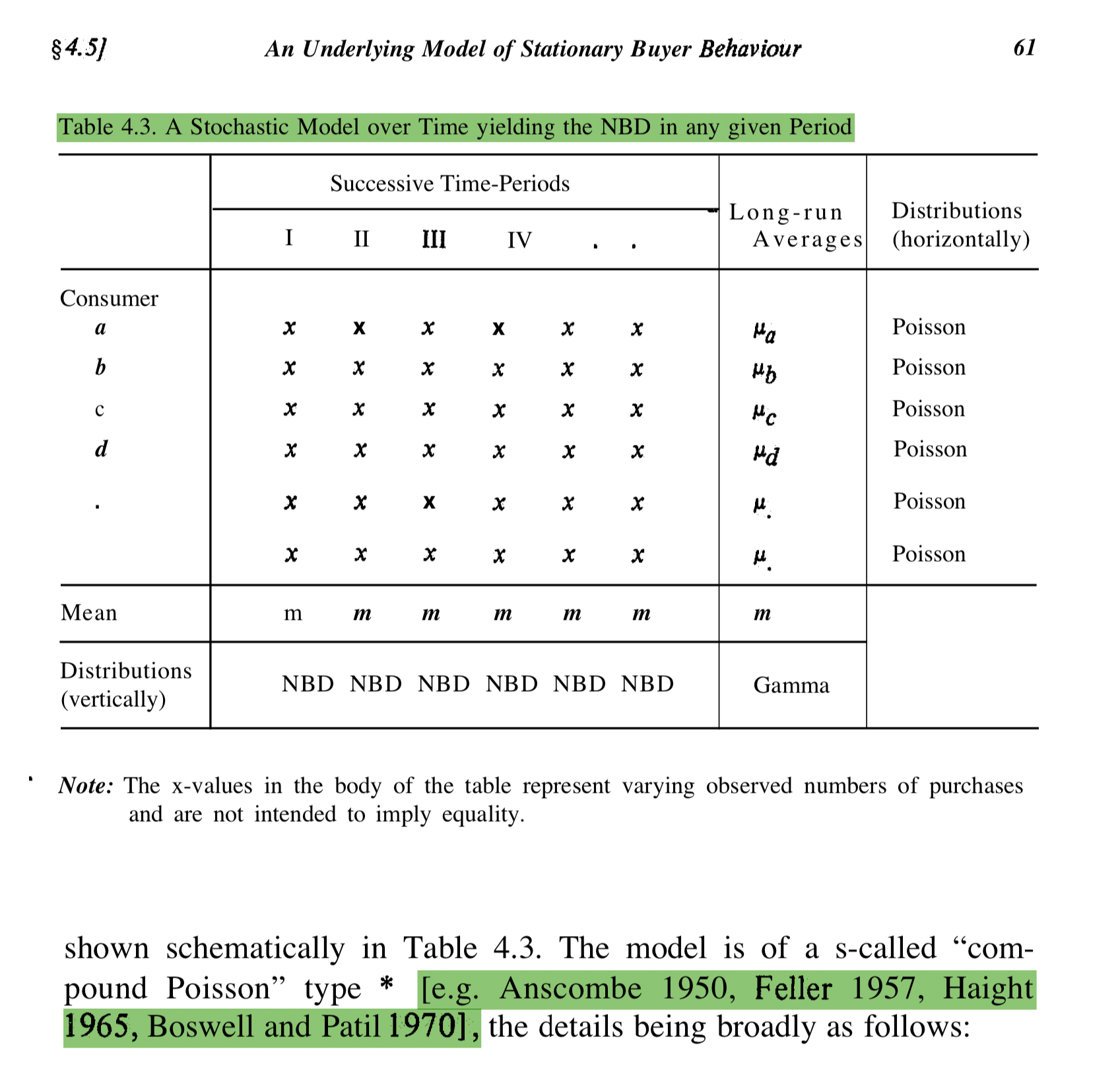
Introduces Ehrenberg's paper "Repeat-Buying," explaining why a gamma distribution models purchase frequency and how it leads to the negative binomial distribution.
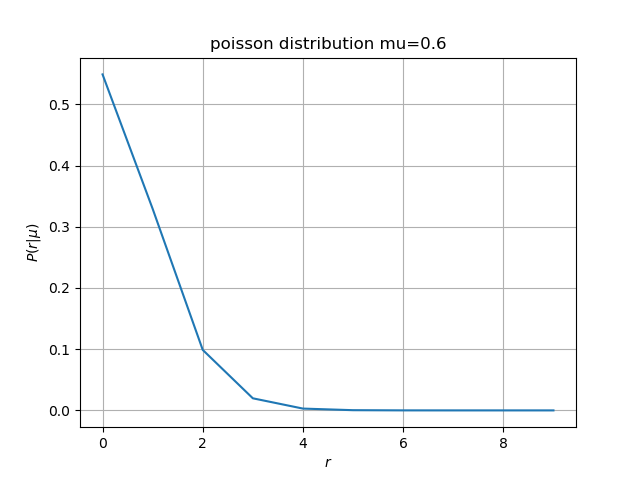
Introduces six analytics tools from "Strategic Theory of Probability Thinking" and implements the Gamma-Poisson recency model in Python using scipy's curve_fit.
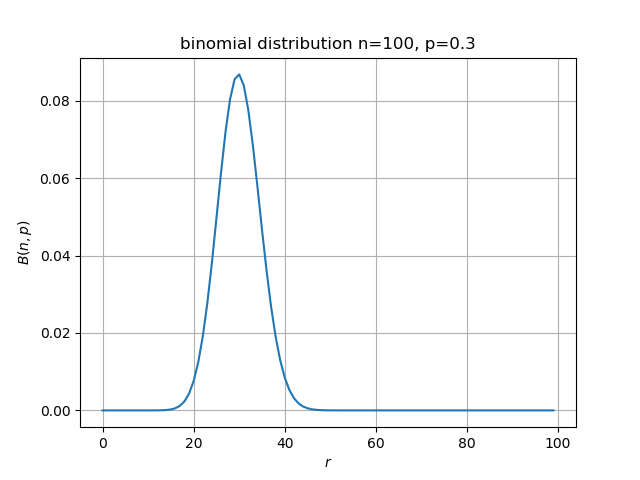
Explains the binomial and Poisson distributions in "Strategic Theory of Probability Thinking," used to model consumer preference, with Python code examples.